Our programs
Five programs, one healthy coast.
From the dunes to the data to the docent walks, here's how the work fits together — and how you can be part of each piece.
Program 01
Habitat Restoration
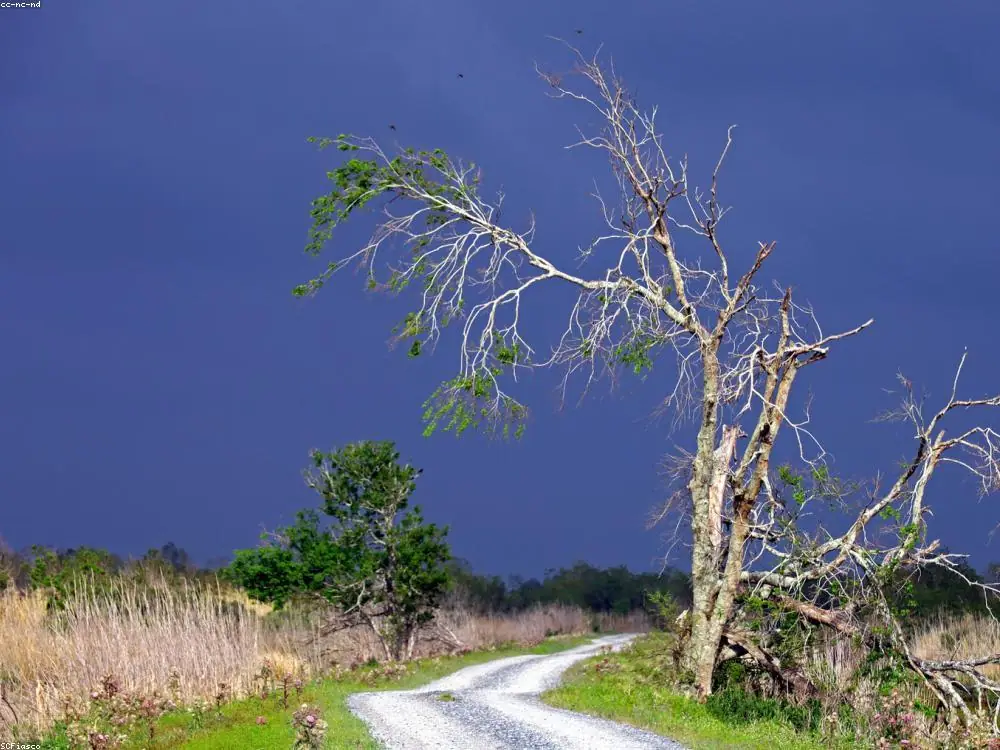
We restore degraded dune systems and tidal wetlands using native plants grown from locally sourced seed. Healthy dunes buffer storms and rising tides; healthy wetlands filter runoff and shelter juvenile fish and migratory birds. Volunteers and staff work side by side with restoration ecologists to remove invasive species, stabilize sand, and track how each site recovers season over season.
Become a Habitat Steward
Program 02
Water-Quality Monitoring
Trained community volunteers collect water samples along the watershed and at popular swimming beaches, testing for bacteria, turbidity, and nutrient pollution. This citizen-science network extends what any single agency could cover and puts clear, timely data in the hands of neighbors, swimmers, and decision-makers. Anyone can learn the protocol — no science degree required.
Join the monitoring crew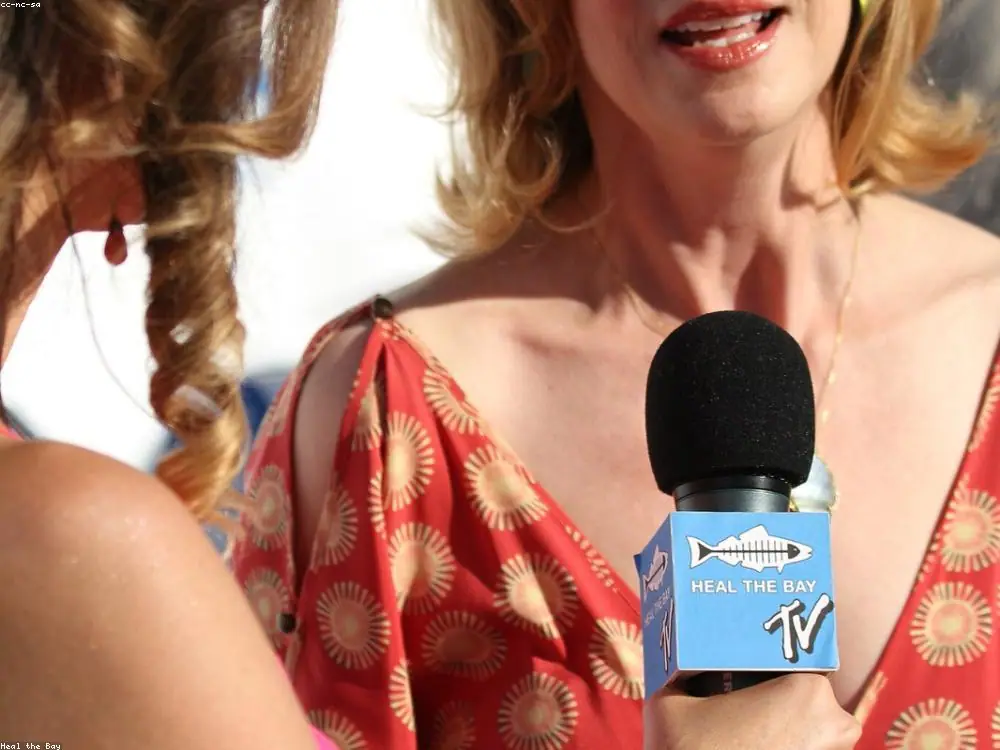
Program 03
Beach & Watershed Cleanups
Most of the debris on our beaches starts inland and travels down storm drains to the sea. Our cleanups work both shorelines and inland creek access points, logging every item so the data can drive smarter prevention. Cleanups are family-friendly, drop-in welcome, and a great first way to get involved with the conservancy.
Find a cleanup near you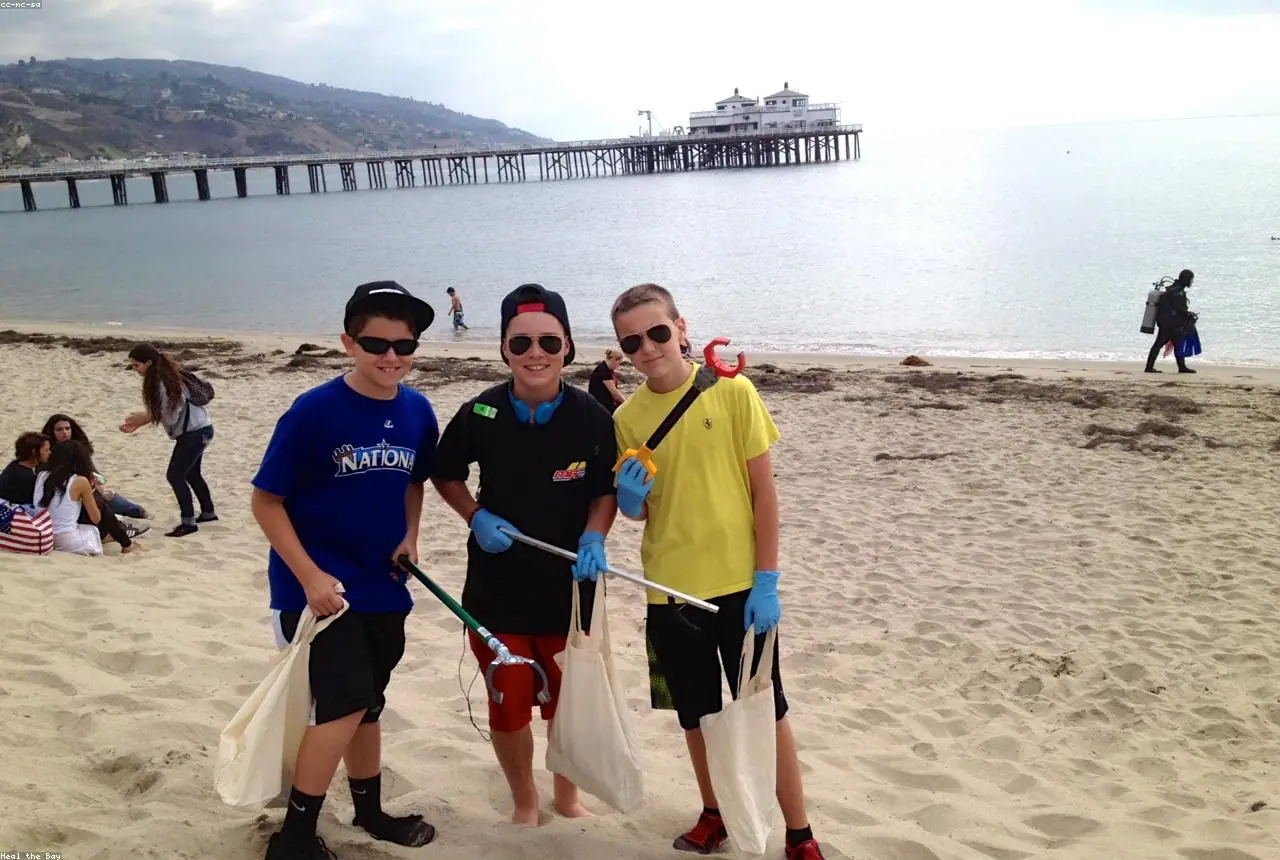
Program 04
Coastal Education
We bring students and families to the water with hands-on tide-pool walks, classroom visits, and field programs aligned to local science standards. Volunteer docents are trained to interpret the rocky intertidal, the wetland food web, and the simple choices that protect them. Protecting the coast is a generational project, and education is how it carries forward.
Volunteer as a docent
Program 05
Policy & Advocacy
Restoration and monitoring generate evidence; advocacy puts it to work. We track coastal-development proposals, water-quality standards, and public-access decisions, then translate the science into plain-language testimony and action alerts. When a vote affects the shoreline, we make it easy for residents to weigh in at the moment it matters.
Get action alertsNot sure where to start?
A beach cleanup is the easiest way in — drop in, no experience needed. From there, find the role that fits your time and interests.